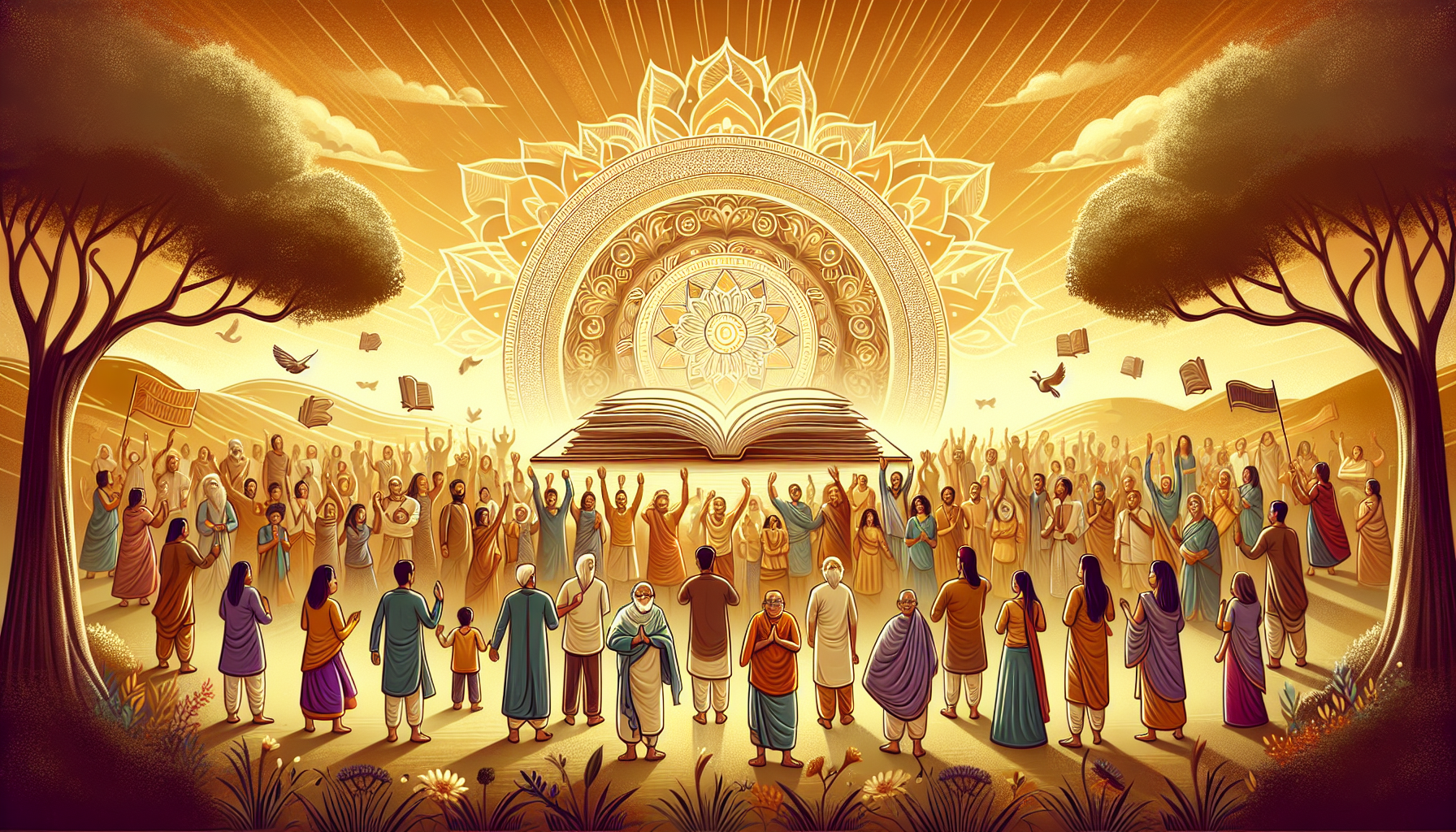
Datta Jayanti: Celebrating the Divine Aspects of Knowledge and Wisdom
Datta Jayanti is a significant festival celebrated by followers of Lord Dattatreya, a deity symbolizing the union of the three principal Hindu gods: Brahma, Vishnu, and Shiva. This day, marked by deep spiritual significance, falls on the full moon day of the Hindu month of Margashirsha, typically in November or December. Devotees from various traditions partake in rituals, prayers, and festivities, acknowledging the divine qualities attributed to Lord Dattatreya. Understanding the significance of Datta Jayanti offers insights into its cultural and spiritual importance, making it a topic of great interest for both practitioners and scholars.
Historical Significance of Datta Jayanti
The origins of Datta Jayanti date back to ancient texts, where Lord Dattatreya is revered as a symbol of divine knowledge and ultimate truth. He represents the fusion of three gods, each embodying different aspects of existence. Lord Brahma, the creator, signifies the dawn of creation and knowledge; Lord Vishnu represents sustenance and protection; and Lord Shiva embodies destruction and renewal. This trinity illustrates the cyclical nature of life, emphasizing that with creation comes preservation and eventual dissolution.
In many scriptures, particularly in the Puranas, Lord Dattatreya is noted for his teachings, which encompass various philosophies, including Vedanta, Yoga, and Bhakti. His followers believe he guides individuals toward enlightenment, showcasing the interconnectedness of knowledge, devotion, and ethical living. The scriptures recount his life stories, filled with wisdom teachings and miraculous deeds, which highlight his role as a spiritual teacher and a source of divine blessings.
Celebratory Activities on Datta Jayanti
Rituals and Practices
On the day of Datta Jayanti, devotees engage in various rituals to honor Lord Dattatreya. Key practices include:
- Puja (Worship): Devotees set up altars adorned with images or idols of Lord Dattatreya, offering flowers, fruits, and other items. Incense is lit, and devotees chant prayers and mantras.
- Havan (Fire Ritual): A sacred fire ritual is often performed to purify the surroundings and invoke divine blessings. Offerings such as ghee, grains, and herbs are placed in the fire while hymns are recited.
- Satsang (Spiritual Gathering): Many people gather in temples or community halls to share stories of Lord Dattatreya and participate in collective chanting and singing of devotional songs.
- Charity: Acts of kindness and charity are emphasized during this festival. Many devotees donate to the needy, offering food, clothing, or monetary assistance, reinforcing the principle of sharing and community welfare.
Special Foods
Traditional foods are prepared and offered to the deity on Datta Jayanti. Some popular dishes include:
- Panchakajjaya: A mixture of five ingredients (rice, jaggery, coconut, dal, and nuts), symbolizing abundance and sharing.
- Sweetened Rice: Cooked with milk and flavored with cardamom, representing the sweetness of devotion and knowledge.
- Fruits and Sweets: Often placed as offerings, these symbolize the fruits of labor and the rewards of a pious life.
The Philosophical Essence of Datta Jayanti
The celebration of Datta Jayanti is more than just a religious observance; it encapsulates profound philosophical teachings. The essence of Dattatreya lies in the pursuit of knowledge and truth, integrating the teachings of various paths:
The Path of Knowledge
Knowledge is one of the core tenets of Lord Dattatreya’s philosophy. He is often depicted as an ascetic, emphasizing self-inquiry and wisdom. His teachings encourage individuals to engage in learning and self-reflection. The importance of studying ancient texts and applying their lessons to daily life cannot be overstated.
Examples of such applications include:
- Engaging in daily meditation to foster a deeper understanding of oneself and the universe.
- Exploring various philosophical texts, which can lead to a well-rounded view of life and existence.
The Path of Devotion
Devotion, or Bhakti, is another vital aspect of Dattatreya’s teachings. He emphasizes a loving relationship with the divine, which manifests through sincere worship, humility, and service to others.
To embody these principles, one might:
- Establish a daily practice of prayer and gratitude.
- Participate in community service, reflecting the spirit of giving and compassion.
The Path of Conduct
Ethical living is a fundamental principle preached by Lord Dattatreya. Adhering to values such as honesty, integrity, and respect toward all beings cultivates a harmonious society.
To exemplify these ideals, individuals can:
- Practice kindness in daily interactions, promoting peace and understanding.
- Uphold honesty in professional and personal engagements, fostering trust and cooperation.
Quick Guide to Datta Jayanti Observance
| Ritual | Description |
|---|---|
| Puja | Worship rituals with offerings to the deity. |
| Havan | Fire rituals for purification and blessings. |
| Satsang | Community gatherings and devotional singing. |
| Charity | Acts of service and kindness to the needy. |
| Traditional Foods | Special dishes prepared as offerings. |
Frequently Asked Questions
What is the significance of Datta Jayanti? Datta Jayanti celebrates Lord Dattatreya, symbolizing the unity of creation, sustenance, and destruction. It is a day for devotees to seek knowledge, wisdom, and divine blessings.
When is Datta Jayanti celebrated? Typically, Datta Jayanti falls on the full moon day in the month of Margashirsha, corresponding to November or December in the Gregorian calendar.
What rituals are performed on Datta Jayanti? Devotees perform puja, engage in havan, participate in satsangs, and often perform acts of charity to honor the deity.
Are there any specific foods associated with Datta Jayanti? Yes, traditional dishes such as Panchakajjaya and sweetened rice are commonly prepared for offerings during the festival.
How can one honor Lord Dattatreya? Honoring Lord Dattatreya can be done through devotional practices like prayer, meditation, learning his teachings, and practicing acts of kindness.
What teachings of Dattatreya can be applied in daily life? Key teachings include the importance of knowledge, devotion, and ethical living. Applying these principles can enhance personal and communal harmony.
What are some of the popular hymns related to Lord Dattatreya? Popular hymns include the Dattatreya Stotra, which extols his virtues and teachings, and various bhajans centered around his divine qualities.
By understanding the multifaceted significance of Datta Jayanti, one can appreciate not only the religious observance but also the deeper philosophical principles that guide believers toward enlightenment. Engaging in the rituals and understanding their meanings can cultivate a richer spiritual experience. Whether through communal celebrations, personal reflections, or ethical conduct, the teachings of Lord Dattatreya continue to inspire and enlighten devotees worldwide.