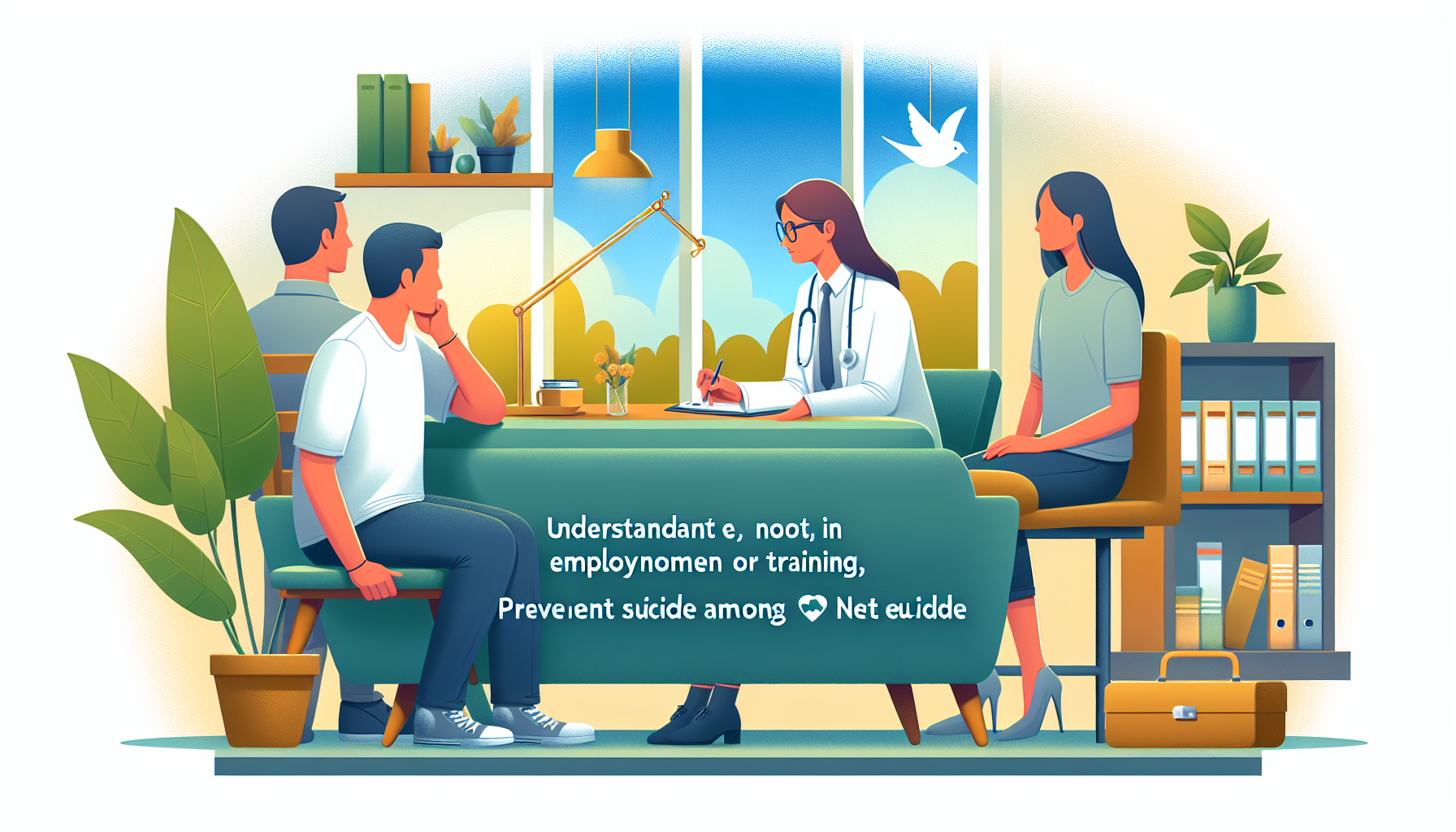
In recent years, the phenomenon of suicide among NEET individuals—those Not in Education, Employment, or Training—has gained significant attention. With rising mental health concerns and socio-economic pressures, understanding the underlying causes and finding effective solutions is necessary. This article explores the multifaceted aspects of NEET suicide, shedding light on its root causes, the psychological implications, and potential preventive measures.
The NEET Phenomenon: An Overview
The term NEET originated in the UK and has since been adopted globally to describe young individuals who are disengaged from typical societal pathways. Various factors contribute to becoming a NEET, including educational failure, socio-economic challenges, and mental health issues.
NEET individuals often face isolation and stigma, which can exacerbate feelings of hopelessness. This demographic is particularly vulnerable, with research indicating higher rates of depression and suicidal ideation among those who find themselves in this situation.
The Correlation Between NEET Status and Mental Health
Understanding the connection between NEET status and mental health is crucial. Many individuals in this category struggle with anxiety, depression, and feelings of inadequacy. Various studies reveal that:
- Isolation: NEET individuals often feel lonely and disconnected, leading to a decline in mental health.
- Stigma: Societal stigma against those who are NEET can lead to shame and further withdrawal from potential support networks.
- Lack of Direction: Without educational or career pursuits, individuals may feel lost and without purpose.
Identifying the Triggers of NEET Suicide
Recognizing the risk factors and warning signs of suicide among NEET individuals can help in timely intervention. Some common triggers include:
- Financial Stress: Economic instability can lead to desperation and hopelessness.
- Family Issues: Dysfunctional family environments can contribute to feelings of worthlessness.
- Social Media Influence: Negative comparisons on social media platforms can exacerbate mental health struggles.
- Substance Abuse: Higher rates of substance addiction among NEET individuals can complicate mental health issues.
Preventative Measures and Support Systems
While the challenges faced by NEET individuals are significant, there are effective interventions and support systems that can help:
- Mental Health Services: Accessible counseling and therapy can provide necessary support. Community programs should focus on reducing stigma and encouraging help-seeking behavior.
- Educational Opportunities: Initiatives aimed at reintegrating NEET individuals into educational or vocational training can help foster a sense of purpose and belonging.
- Peer Support Programs: Creating networks where NEET individuals can share experiences and support one another can mitigate feelings of isolation.
- Awareness Campaigns: Public awareness campaigns can educate society about the NEET phenomenon and the importance of mental health support.
Case Examples: Success Stories
Understanding how individuals have successfully navigated their NEET status can provide hope and inspiration. Here are a few illustrative examples:
- Emma’s Journey: After struggling with her mental health and dropping out of school, Emma found solace in a local art program designed for NEET youth. Through encouragement from peers and mentors, she rebuilt her confidence and eventually pursued further education in art therapy.
- John’s Transformation: John faced severe depression while being NEET for over a year. He joined a community-based employment initiative that provided not only job training but also emotional support. With commitment and guidance, he transitioned into full-time employment, drastically improving his mental health.
These examples emphasize the importance of tailored interventions that directly address the unique challenges faced by NEET individuals.
FAQ
- What is NEET?
- NEET stands for Not in Education, Employment, or Training, referring to young people who are disengaged from traditional pathways.
- How does being NEET affect mental health?
- NEET individuals often experience isolation, anxiety, and depression, largely due to societal stigma and a lack of direction.
- What are common signs of suicidal thoughts in NEET individuals?
- Signs include withdrawal from social interactions, drastic mood changes, increased substance abuse, and expressed feelings of hopelessness.
- How can friends and family help NEET individuals?
- Providing emotional support, encouraging open conversations about mental health, and helping them find relevant resources, such as counseling or training programs, can be invaluable.
- Are there specific programs designed for NEET individuals?
- Yes, numerous programs focus on reintegrating NEET individuals into education and employment through training, counseling, and support services.
- What role does the stigma play in NEET suicides?
- Stigma often leads to feelings of shame and isolation, which can prevent NEET individuals from seeking help and support.
- How can society better support NEET individuals?
- Increased awareness, understanding, and accessible mental health services can significantly improve support for NEET individuals.
Addressing NEET suicide requires a comprehensive approach involving individuals, communities, and institutions. By acknowledging the challenges faced by NEET individuals and implementing supportive measures, we can work towards reducing the risk of suicide in this vulnerable population.